
Label cost control looks different right now. Prices are climbing across the packaging supply chain, and what used to be a negotiation has become a shared constraint. This shift moves the goal from chasing immediate cost savings to controlling what you can before costs accumulate faster than you can manage them.
The companies managing this well are those asking questions earlier and staying cognizant of the decisions that shape cost. Typically, the biggest pricing impacts come from early decisions tied to the structure of the label itself.
Where Label Cost Control Happens
Label cost is largely driven by design, material choices, and size.
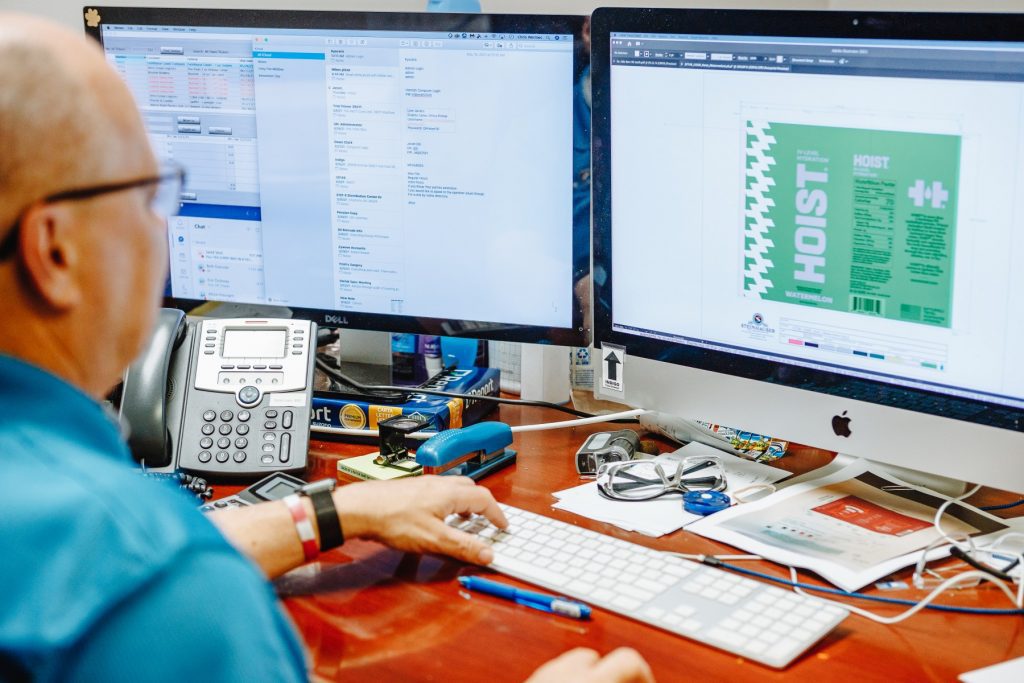
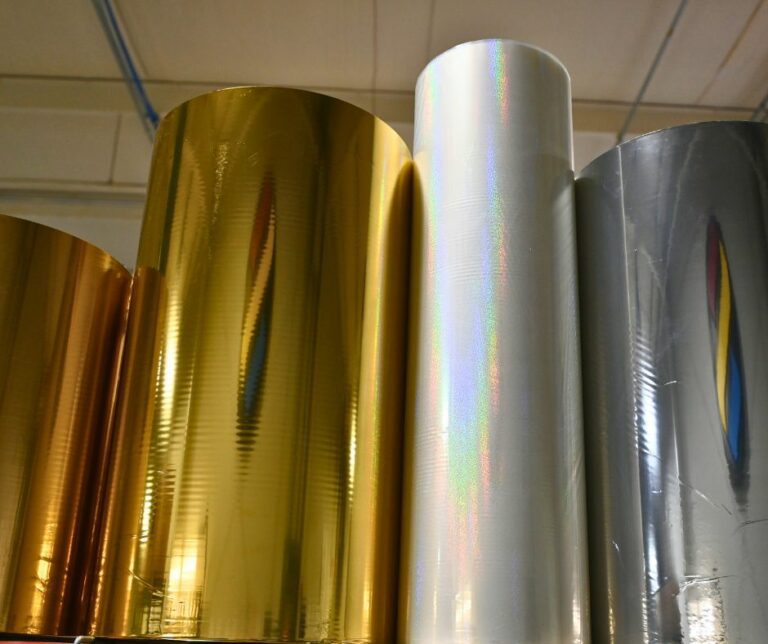
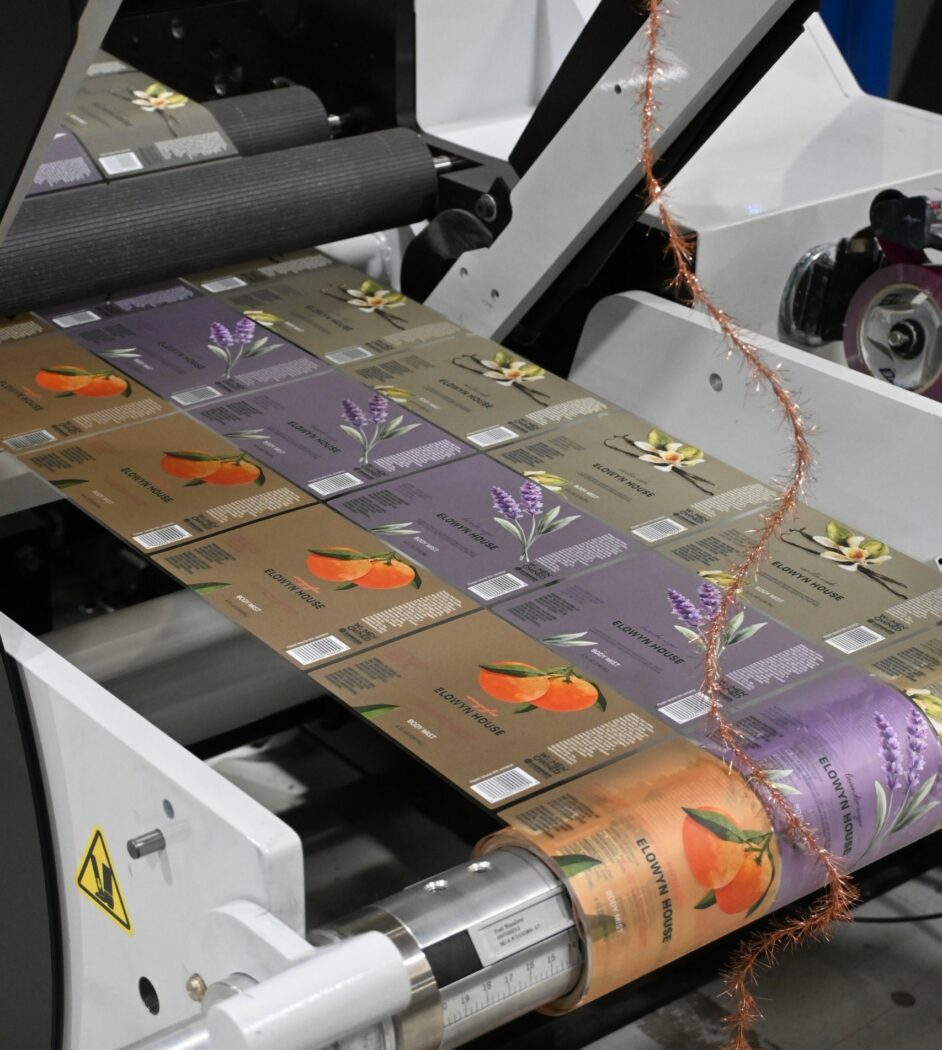
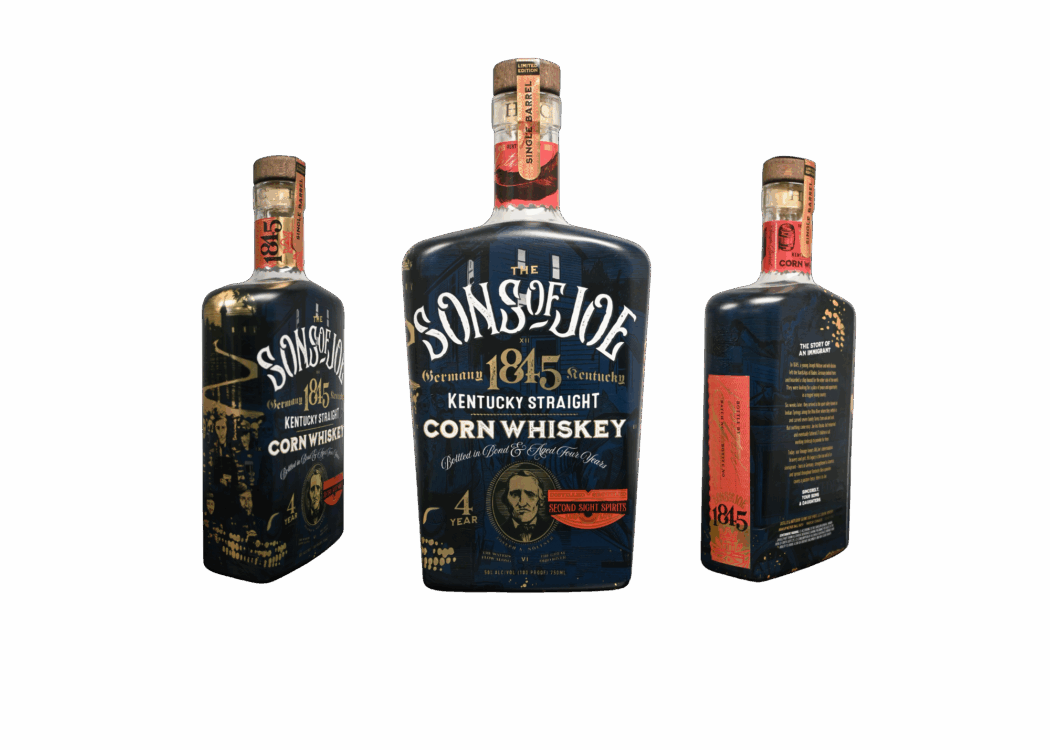
Foil is a popular option for custom labels due to its shelf appeal, but it’s not the most cost-effective option. Metallic inks can achieve a similar effect with fewer material inputs, and in some cases, you can eliminate foil entirely by printing on metallic film and using white ink. There are other ways to get creative with foil, such as tinting adhesive in combination with silver foil to replicate a specialty foil color. Specialty foil colors are often one of the more expensive elements in a label, so finding ways to replicate that look without adding layers can make a difference.
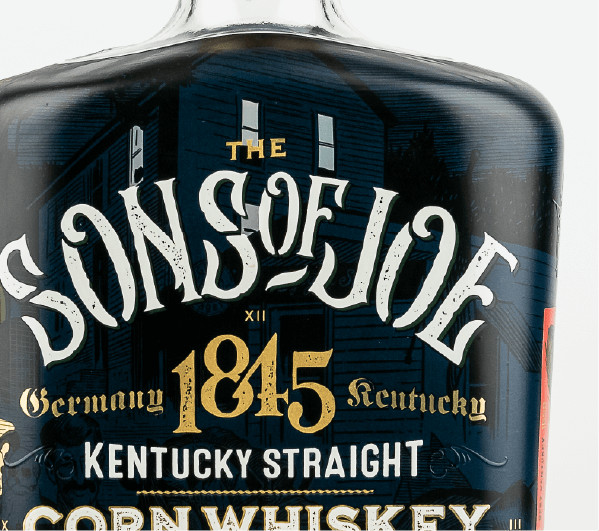
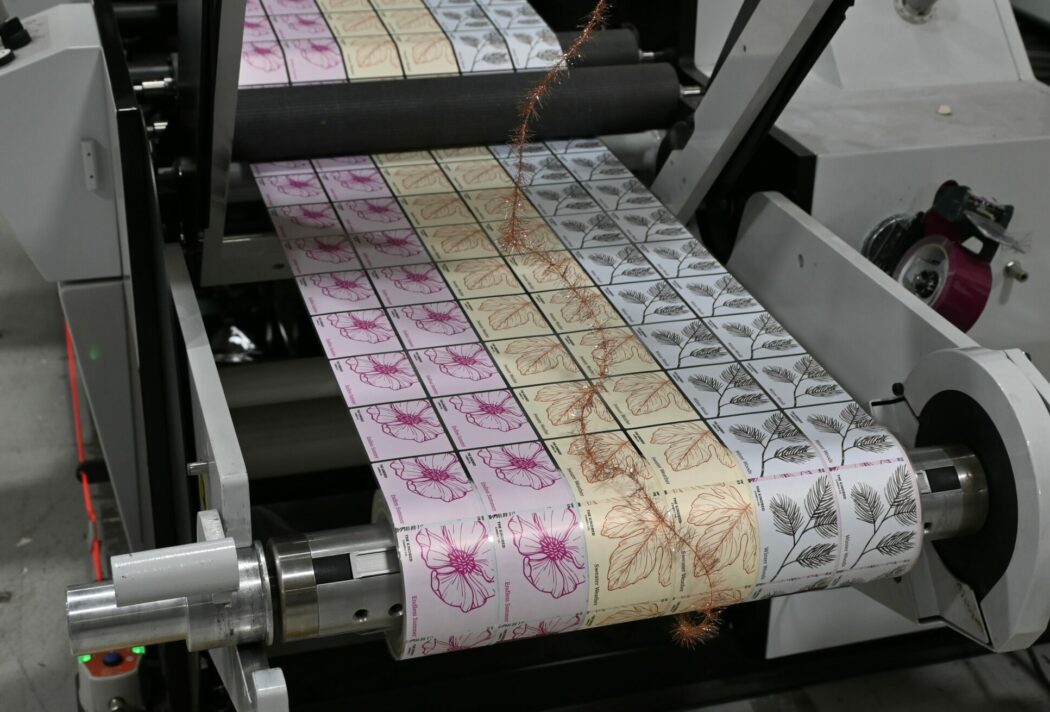
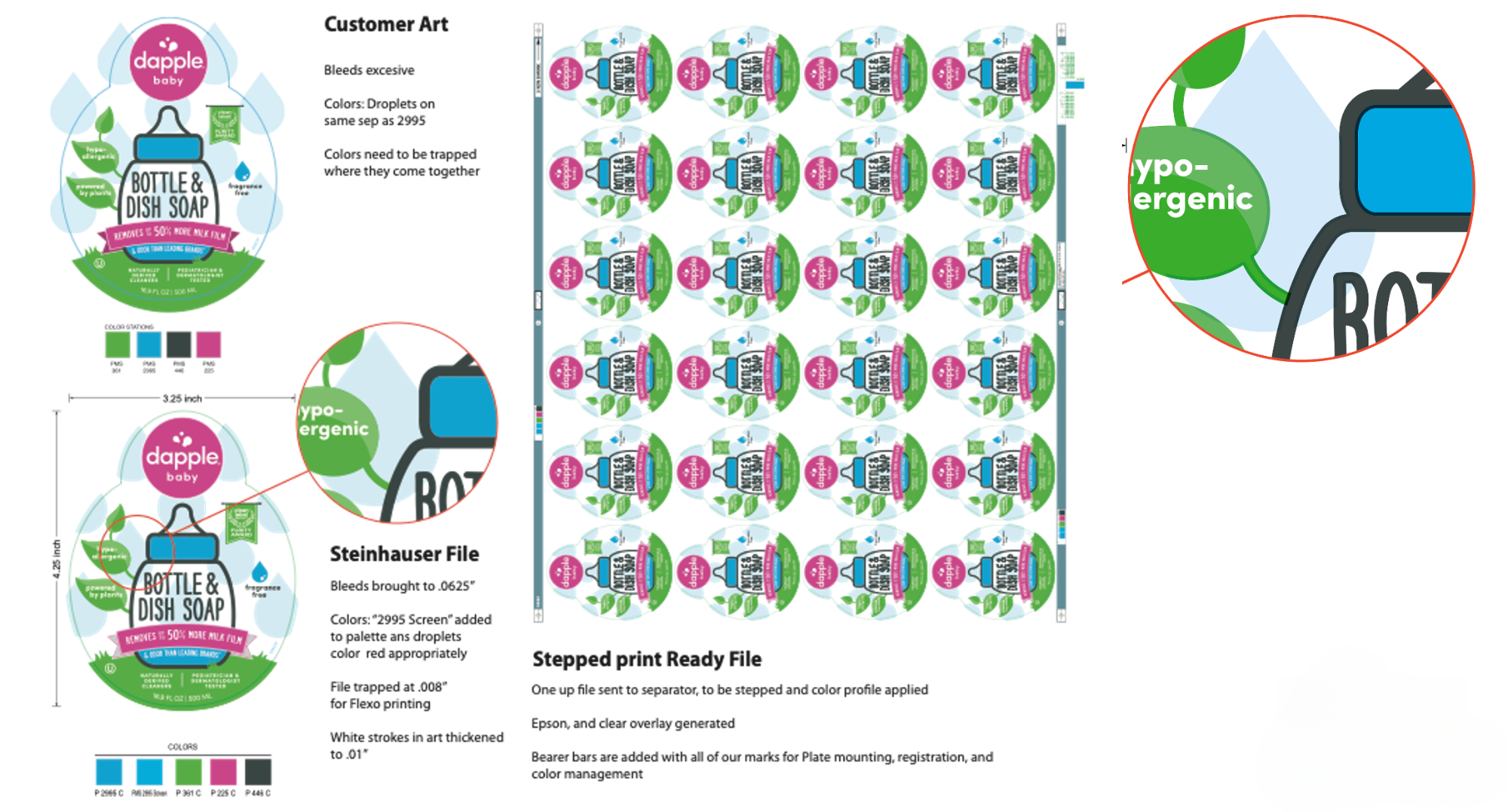
Brands can also find efficiency in how labels fit onto the printer’s web. Small adjustments to label width or height may allow more labels to fit across or around the press, improving yield without touching the design itself.
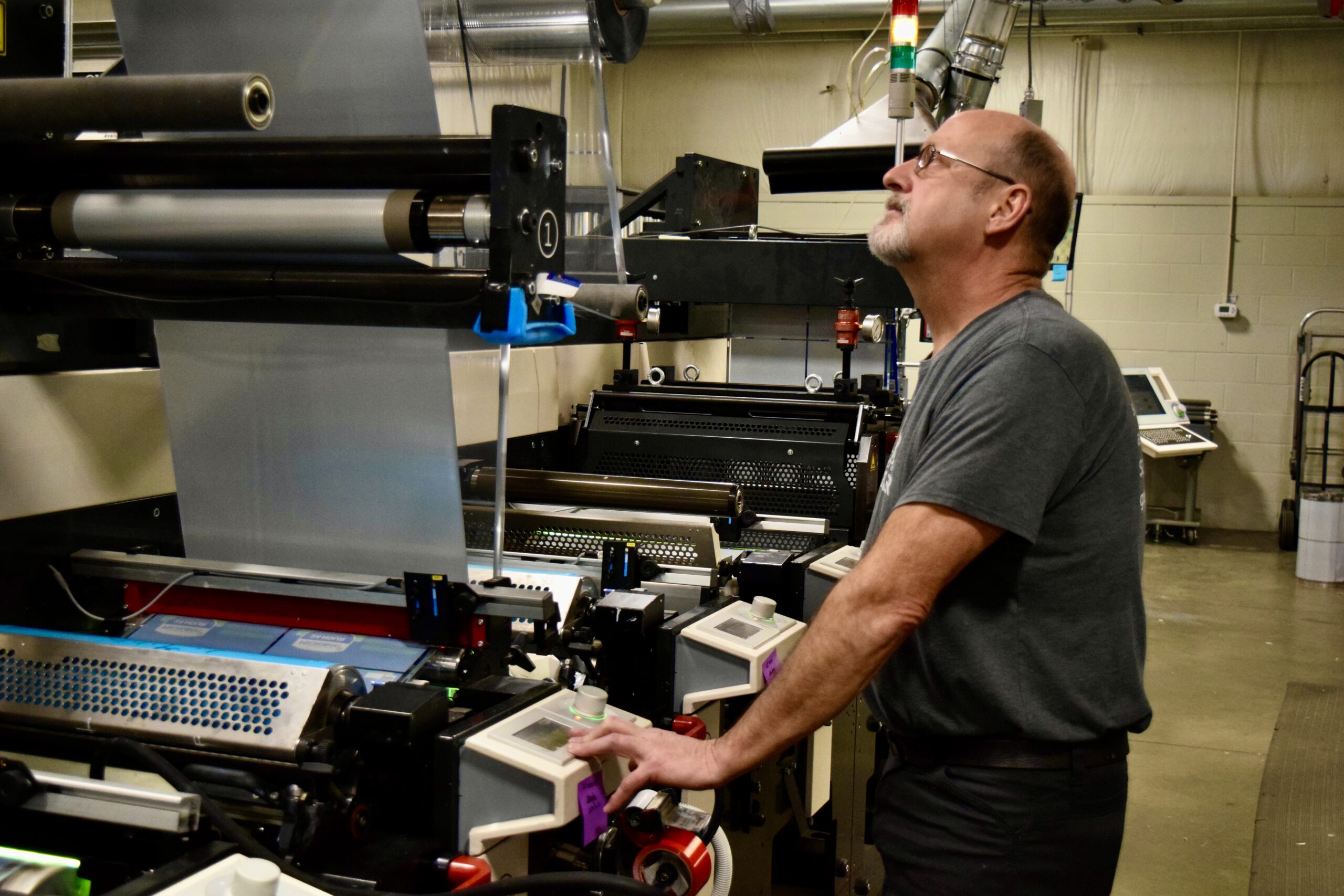
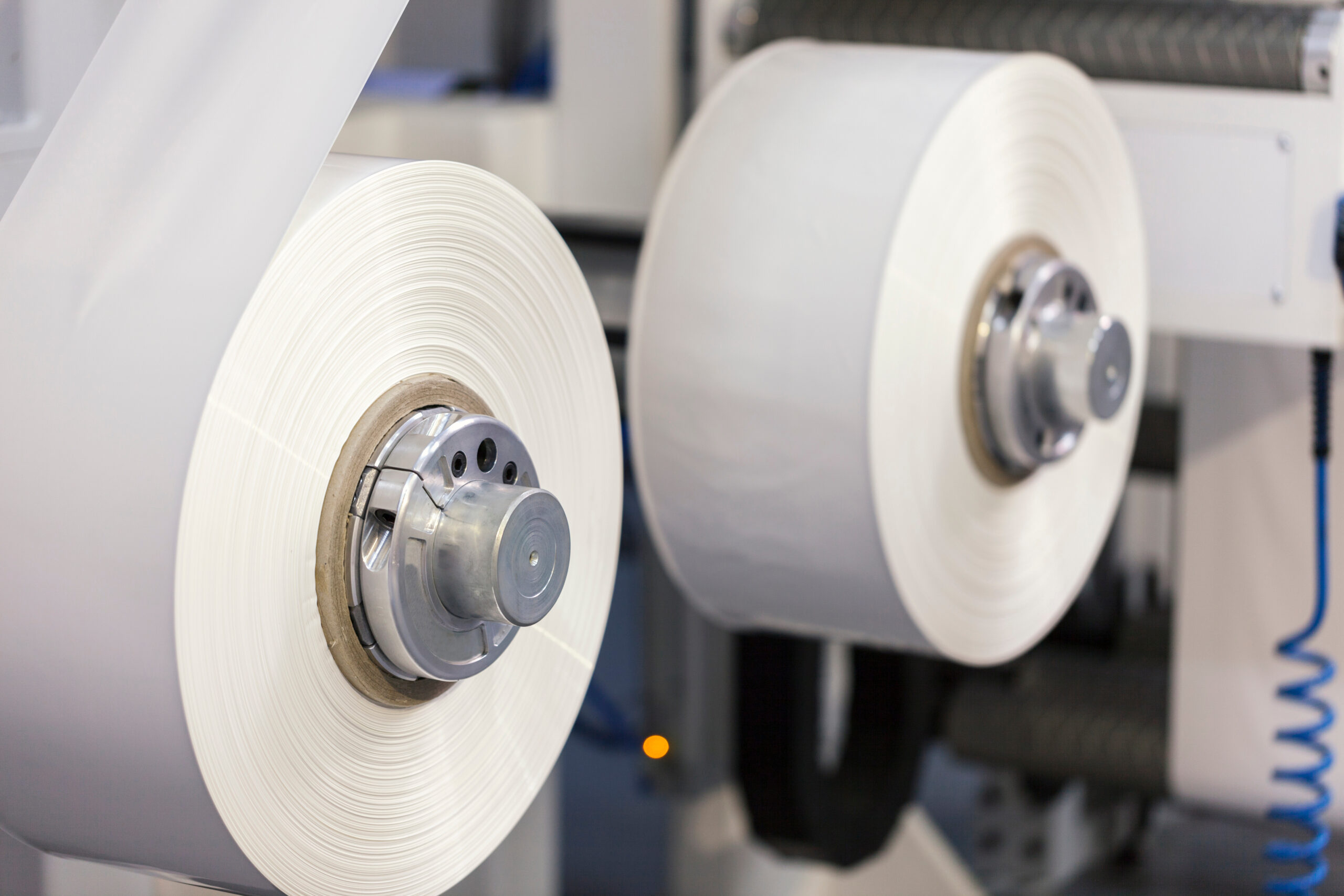
Choosing a thinner facestock or downgauging shrink film—when performance allows—reduces material use and overall cost. Thinner materials also mean more labels on a roll, reducing changeovers and downtime. None of these changes affect how the product looks on the shelf, but they directly affect the price of the label.
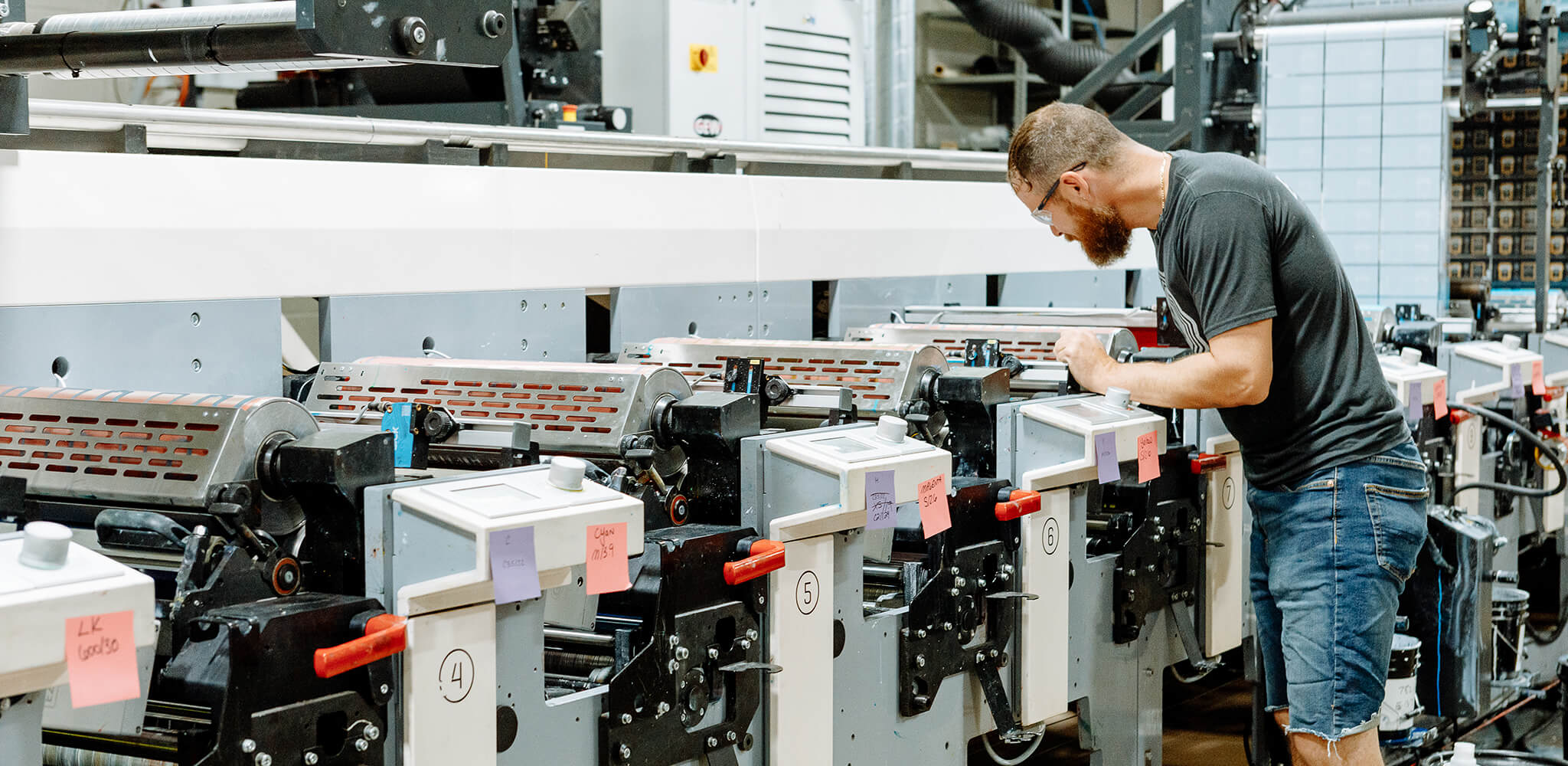
Leverage Digital and Hybrid Printing
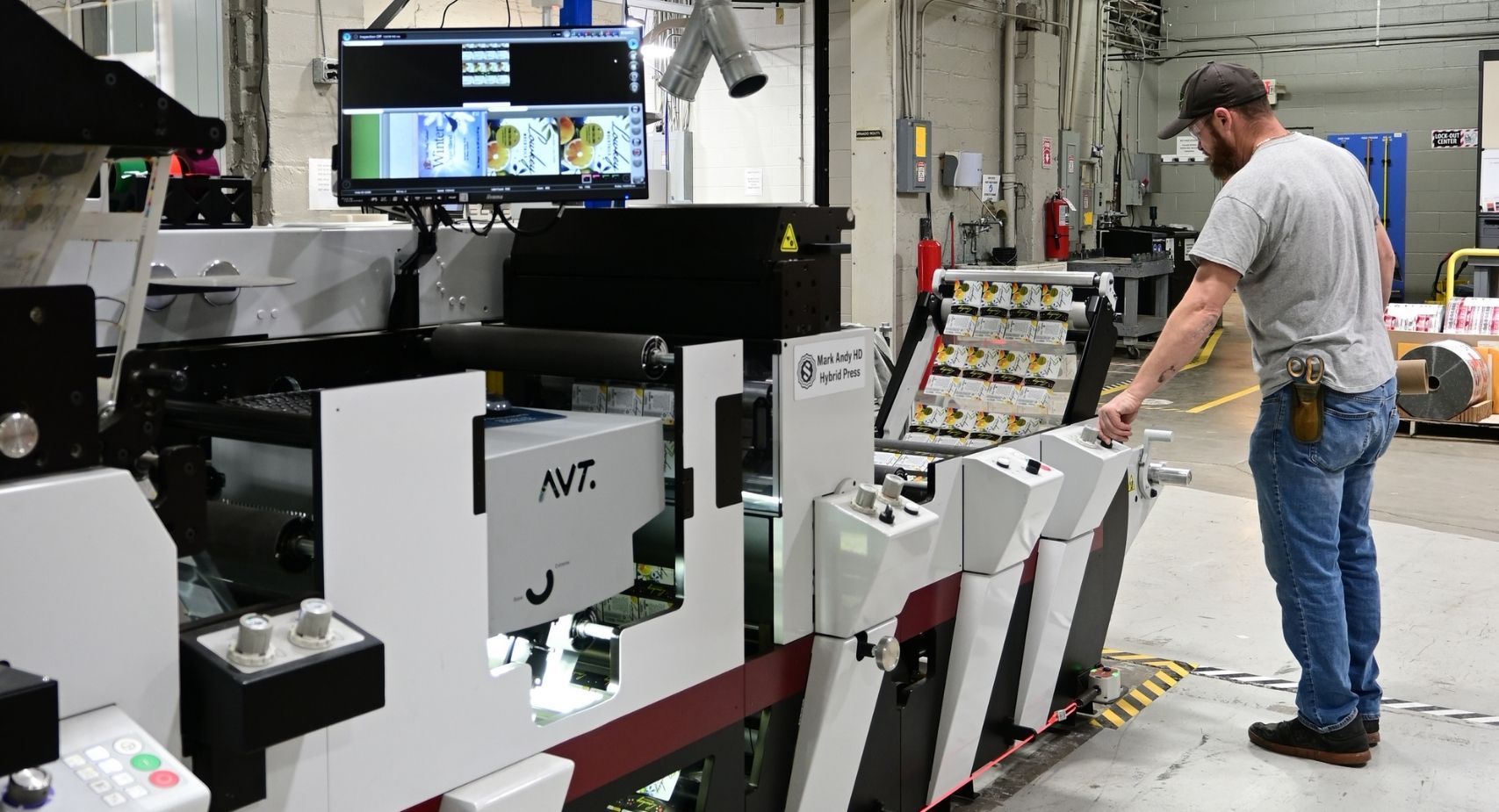
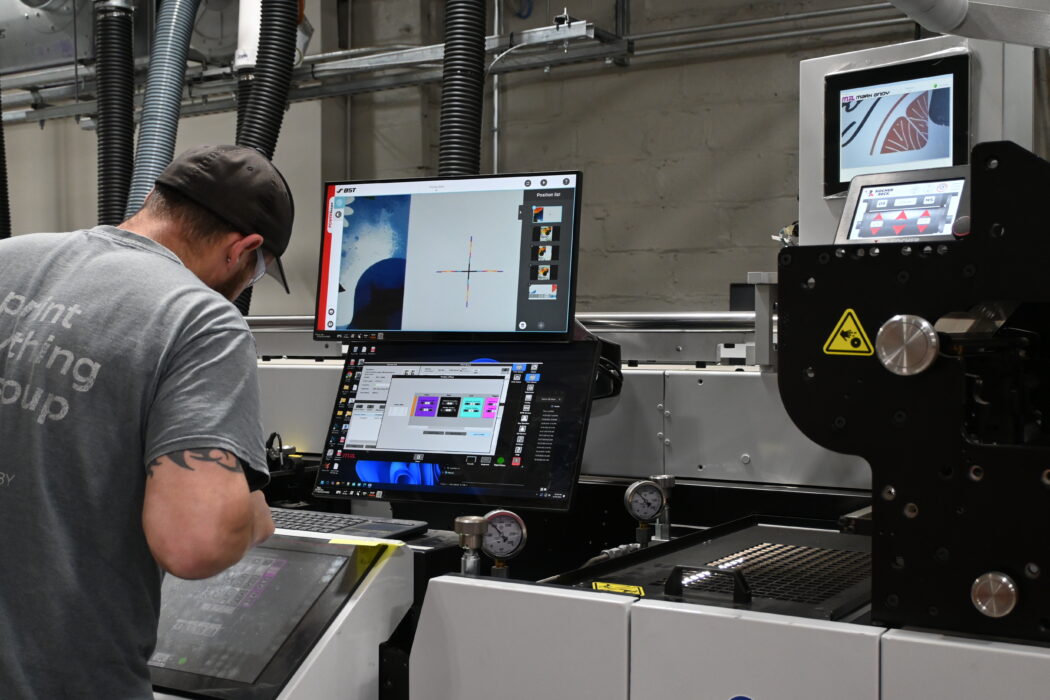
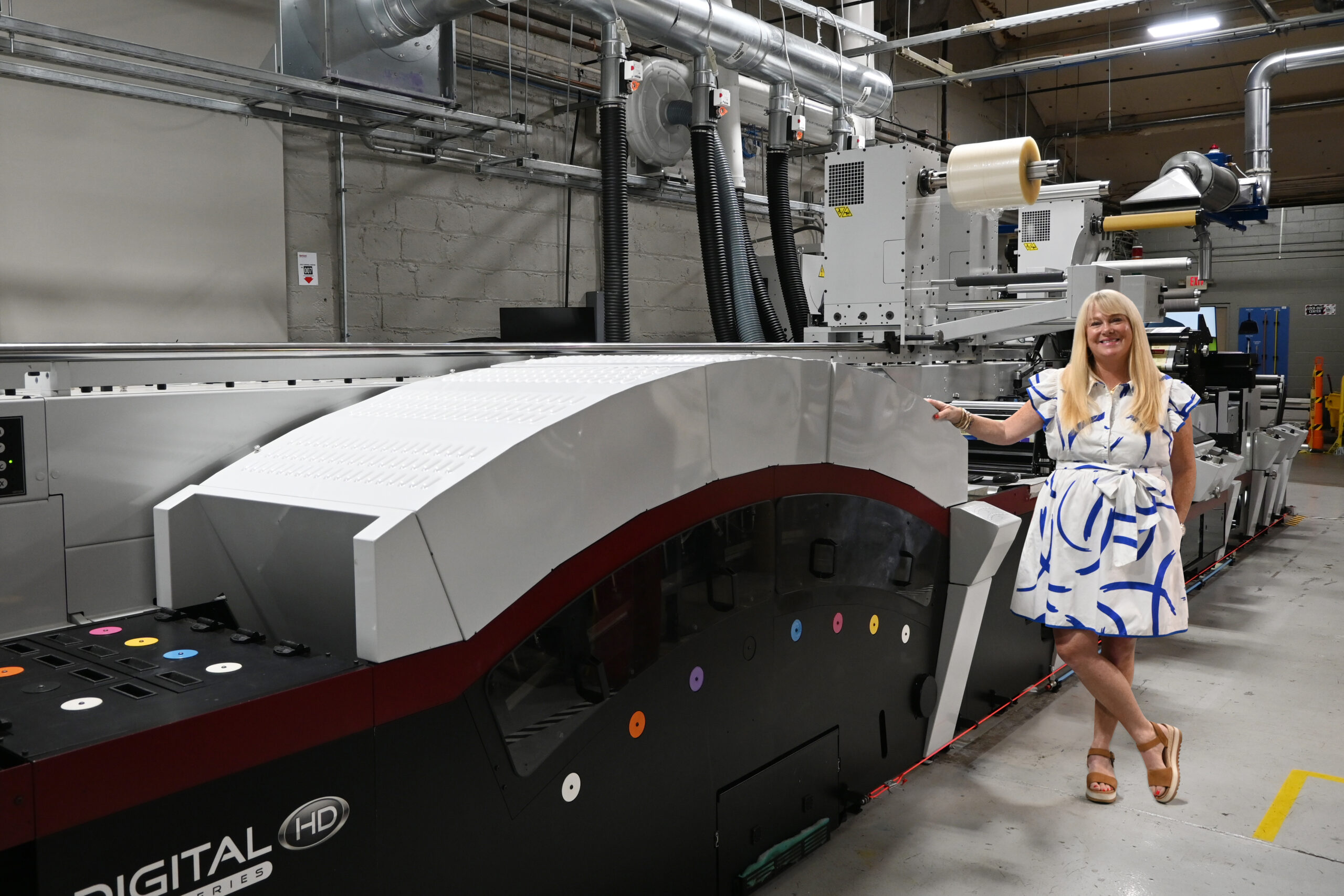
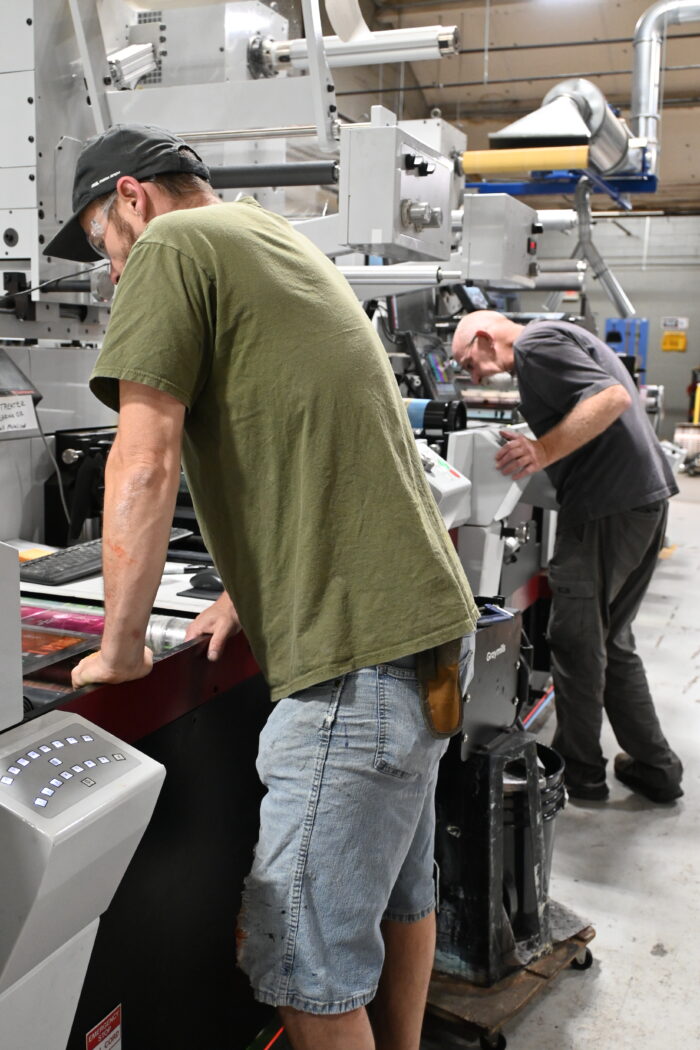
Digital and hybrid printing won’t always lower costs on their own, but they offer greater flexibility over traditional flexographic printing.
Lower minimum order quantities reduce the risk of obsolescence and make SKU changes less disruptive. This may be especially impactful for industries with evolving regulations and labeling requirements. Fewer or no plates also lowers upfront costs.
These options don’t make a difference for every brand, but they’re worth a conversation with your printer, especially for newer brands and evolving product lines.
Where Sustainability and Cost Overlap
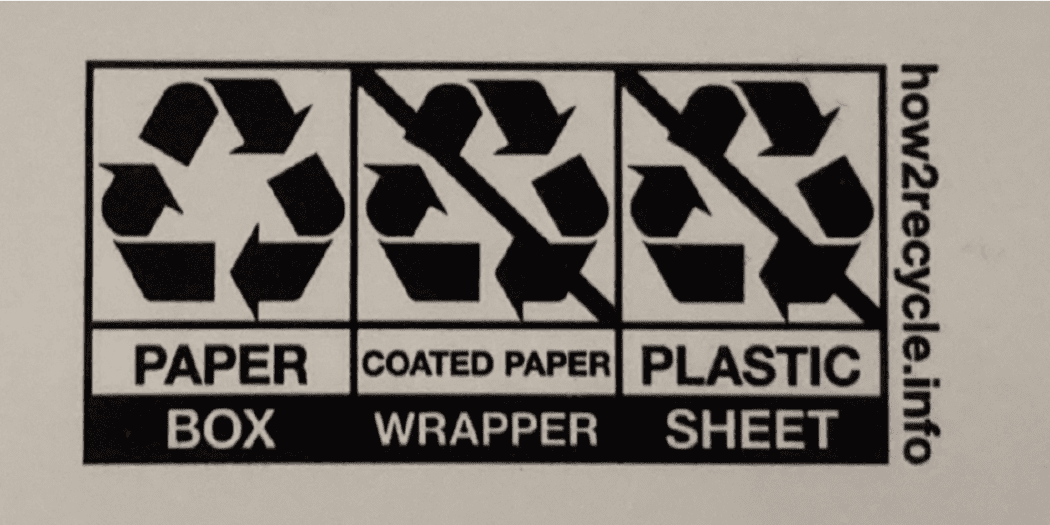
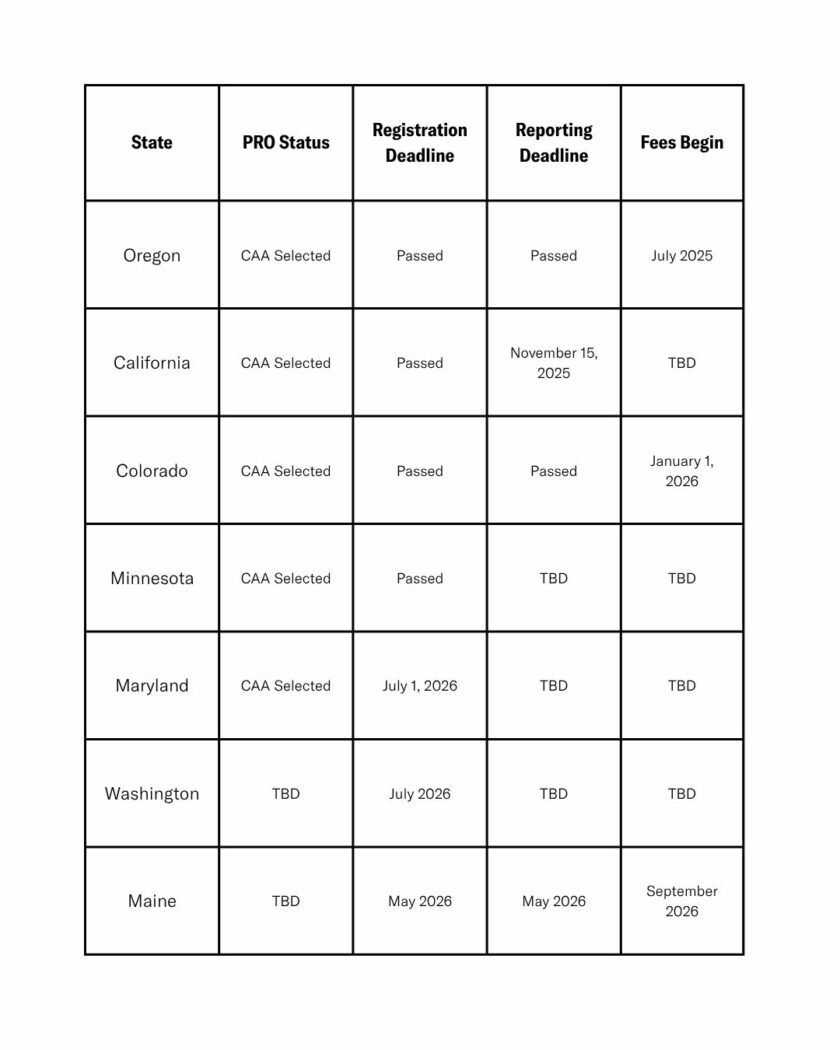
Sustainability decisions now carry financial implications as EPR programs take shape. This also means sustainability and cost conversations are starting to overlap.
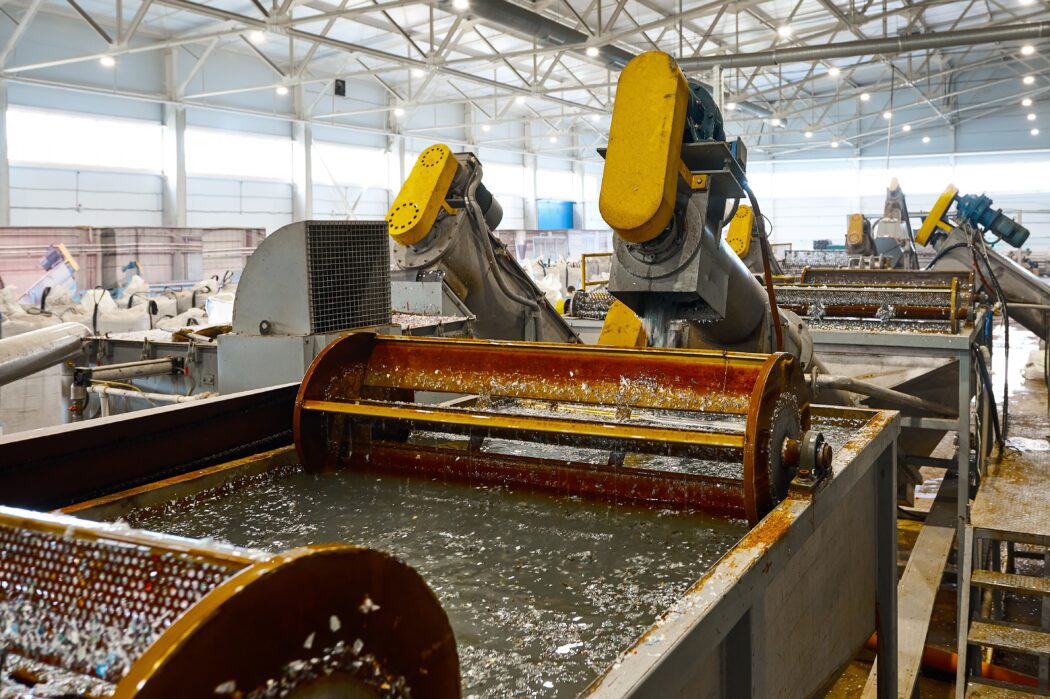
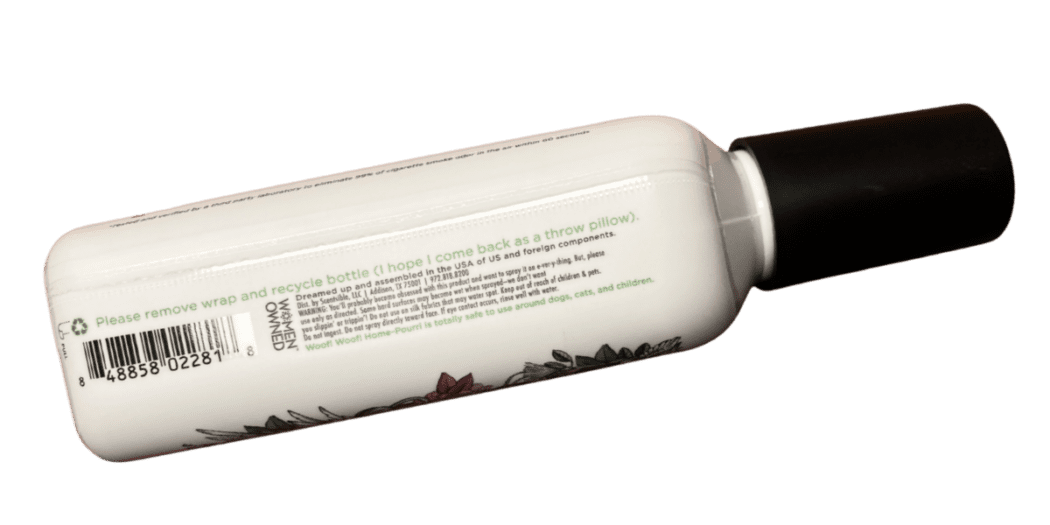
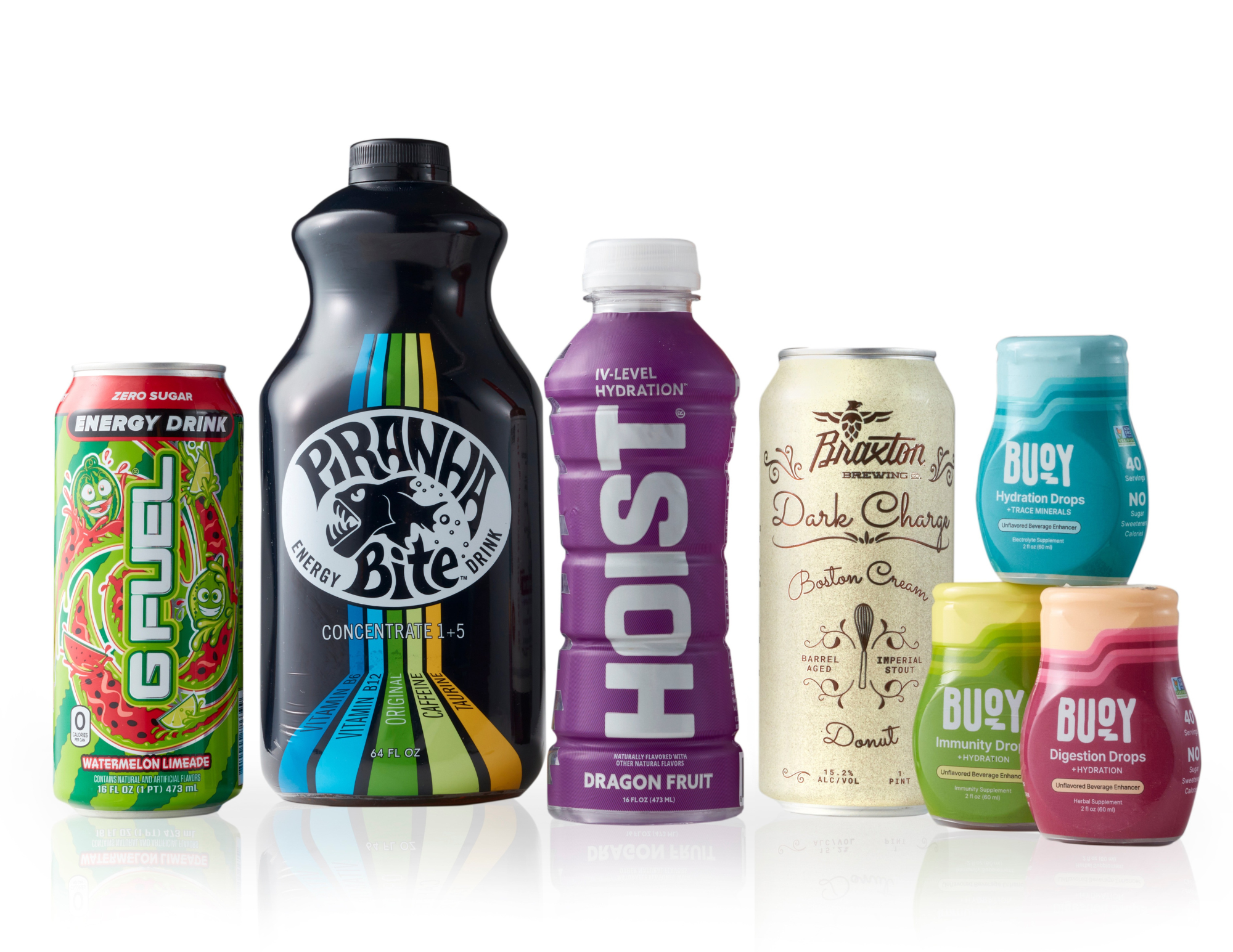
In some cases, packaging changes made for recyclability can also shift cost structures. For example, some brands are exploring a move from colored HDPE to clear PET paired with a shrink sleeve. The goal is to maintain shelf presence and branding while improving recyclability. Clear/natural plastics command higher commodity values in recycling markets. The effect on EPR fees depends on the specific program, but it shows how design decisions intersect with compliance costs.
The timing of sustainability considerations makes a difference, as late-stage changes are often expensive. When sustainability is part of the initial design conversation, it can provide options that balance performance and compliance effectively.
When evaluating changes like this, it’s important to ground decisions in current program guidance, since requirements and fee structures vary. Earlier in the process, you can evaluate changes that are actually viable for your brand.
Label Cost Control Starts Early
Cost pressure is harder to manage when decisions are made in isolation.
Most label cost control opportunities come from early decisions—materials, how labels run on press, and how structure affects yield. Bringing your printer and other suppliers into the conversation earlier won’t guarantee lower costs, but it expands the options available to brands.
None of these eliminates price increases in a volatile market, but they help teams stay ahead and maintain more control.
Found this useful? Join our monthly newsletter for practical tips, updates, and a behind-the-scenes look at Steinhauser. No spam, ever.